Column · @roofrepairaustinpro
What to Know About Roof Repair in Austin Before You Call a Contractor
Living in Austin means dealing with a climate that can be tough on any building. One month you are looking at a blazing sun that bakes asphalt shingles until they curl, and the next you are watching a front roll in with hail the size of golf balls. Over the years I have seen how that cycle wears down roofs faster than people expect. If you own a home or a commercial property here, understanding what goes into roof repair Austin actually involves can save you time, money, and a lot of frustration.
Why Austin Weather Dictates Your Roof Repair Timeline
The heat is the first thing that hits you when you step outside in July. That same heat hits your roof harder than almost any other surface. Constant UV exposure breaks down the asphalt in shingles and the plasticizers in single-ply membranes like TPO membrane and EPDM rubber. I have walked roofs where the granules on a three-year-old shingle were already loose because the afternoon sun had cooked the bond out of them. By year five or six, those shingles start to crack along the edges, and that is where small leaks begin.
Then there is the rain. When it finally comes, it often arrives in heavy bursts that test every seam and flashing detail. Flat roofs in particular hold water, and if the drainage is slightly off, you get ponding that accelerates membrane failure. Storm damage is not just about hail; it is about wind driving rain under lifted shingles or into gaps around pipes and vents. That is why a thorough leak detection after a big storm is worth paying for. It catches problems while they are still small.
Roof Repair Austin: More Than Patching a Hole
I have worked with a lot of homeowners who think roof repair Austin means slapping a tube of sealant on a stain and calling it done. In reality, a proper repair starts with understanding what caused the leak in the first place. Sometimes it is a nail that backed out. Sometimes it is a valley where the metal flashing was installed too tight and cracked. And sometimes the issue is that the entire roof deck was under-ventilated, trapping moisture that rots the sheathing from below.
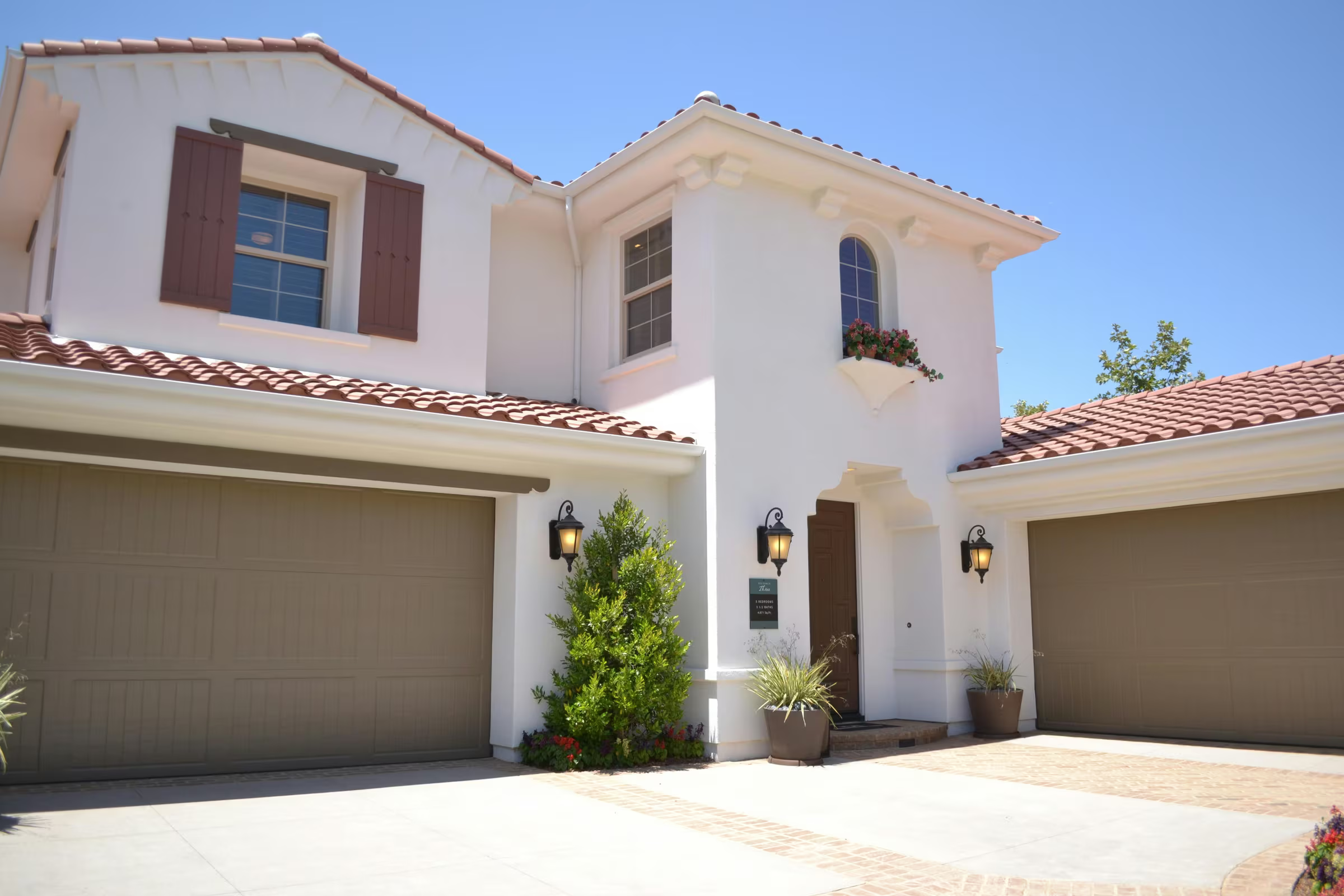
A good roofing contractor will look at the whole system. They check the underlayment, the flashing details, the vents, and the condition of the structure underneath. If you are dealing with an insurance claim after storm damage, that thorough documentation matters. The adjuster wants to see that the repair addresses the cause, not just the symptom. I have seen claims get approved faster when the contractor provides photos and a clear explanation of what failed and why.
Materials Matter: What to Use for Austin Homes
Not every roof material works well in Central Texas. I have seen beautiful slate roofs on houses in New England, but here the freeze-thaw cycle is different and the sun is stronger. For residential roofing in Austin, asphalt shingles from GAF and Owens Corning are common choices. They hold up reasonably well if you choose a grade with a higher wind rating and good granule adhesion. CertainTeed also makes a solid shingle that stands up to the heat, though I recommend going with their premium line for the extra thickness.
For commercial roofing, the conversation often turns to TPO membrane or EPDM rubber. TPO is popular because it reflects heat and reduces cooling costs, but the seams require careful welding. I have seen TPO roofs fail because the installer rushed the seam work on a hot day. EPDM rubber is more forgiving in that regard, but it shows dirt and can be harder to patch neatly. Built-up roofing with multiple plies of felt and asphalt is still used on some older commercial buildings, and it can last a long time if the flood coat is maintained. But it is heavy and not ideal for every structure.
Metal roofs are another option you see around Austin, especially on modern homes and some warehouses. A standing seam metal roof can shed water beautifully and last decades, but the installation has to be precise. If the clips are wrong or the expansion and contraction is not accounted for, you get oil-canning or leaks at the fasteners. I have also seen metal roofs dent from hail, which is more of a cosmetic issue than a functional one, but it still bothers owners.
James Hardie is a name that comes up more for siding than roofing, but their fiber cement products sometimes show up in roof applications like porch covers or eaves. It is worth knowing the brand because it means the builder cared about fire resistance and durability, even if the main roof is something else.
Knowing When Repair Becomes Replacement
This is the hardest call for a property owner. A roof that has been patched multiple times often reaches a point where the patches themselves become the weak spots. If you have three or four active leak areas, and the shingles are curling or the membrane is blistered, you are probably past the point where individual roof repair makes sense. A full roof replacement becomes the better investment.

I remember a house in South Austin where the owner had patched the same valley three times over two years. Each patch held for a few months, then the water found a new path. When we finally tore off the old layers, we found the plywood deck was soft in a two-foot-wide strip along the entire valley. That kind of damage does not show up until you open the roof. The money spent on those patches would have been better applied toward a replacement that fixed the root problem.
The same logic applies to commercial flat roofs. If you have a built-up roofing system that is more than twenty years old and you are chasing leaks every spring, it is time to consider a tear-off and a new TPO membrane. The energy savings from the reflective surface alone can offset part of the cost over a few summers.
Working With Insurance After Storm Damage
After a big hailstorm, every roofing contractor in Austin gets busy. If you have storm damage, the first step is to document everything. Take photos from the ground and from the roof if it is safe. Note the date and time. Then call your insurance company and file a claim. Do not start repairs before the adjuster sees the damage, unless you have a temporary tarp to stop active leaking. Most policies cover storm damage, but the adjuster needs to see the original condition.
A reputable roofing contractor will help you with the insurance claim process. They know how to write a scope of work that matches what the adjuster expects, and they can provide photos and material samples if needed. I have seen homeowners get frustrated because their contractor did not communicate with the insurance company, and the claim dragged on for weeks. A contractor who understands the claims side of things can make that process much smoother.
Choosing the Right Roofing Contractor
Not every company that advertises roof repair Austin has the experience to handle the variety of systems you find here. Look for a contractor who is licensed, insured, and has been working in the area for a while. They should know the local building codes and the typical problems that come with Austin construction styles. Ask them about their experience with your specific roof type, whether it is asphalt shingles, a metal roof, or a flat TPO membrane roof.
A good contractor will also be honest about whether a repair is worth doing. If the roof is near the end of its service life, they should tell you that and explain the math. A repair that buys you two more years might be worth it if you plan to sell the house soon. But if you plan to stay, a replacement might be the smarter move. There is no one-size-fits-all answer, and anyone who gives you one without looking at your roof is not being thorough.
Final Thoughts on Keeping Your Roof Sound
Roof repair in Austin is not something you can put off forever. The climate here accelerates aging, and small problems turn into big ones faster than in milder regions. Regular inspections, especially after storms, catch those small issues before they cause interior damage. And when you do need a repair, take the time to understand what caused it and whether the fix addresses the real problem.
Your roof is the single most important barrier between your building and the Texas weather. Treating it with the same attention you give your foundation or your HVAC system will pay off in fewer emergencies and lower long-term costs. Whether you are dealing with a missing shingle, a blister in a flat roof membrane, or a full storm damage restoration, knowing what to expect from the process helps you make better decisions and keeps your property dry.